
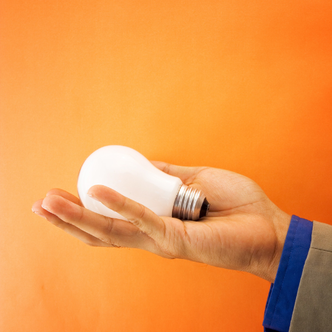
1. Install LED Lighting: One of the simplest yet most impactful changes you can make is switching to LED lighting. LED bulbs use significantly less energy than traditional incandescent bulbs while providing the same level of brightness. They also last much longer, reducing the frequency of replacements and saving you money in the long run. LED lights are available in various color temperatures, allowing you to create the perfect ambiance while saving energy.
2. Smart Thermostats: Smart thermostats are a game-changer when it comes to optimizing energy efficiency in your home. These programmable devices learn your heating and cooling preferences and automatically adjust temperatures when you’re not home. You can control them remotely via smartphone apps, making it easier to manage your energy use even when you’re away. By maintaining more consistent temperatures, smart thermostats help you reduce energy waste and lower your heating and cooling costs.
3. Energy-Efficient Appliances: Upgrading to Energy Star-rated appliances is an excellent way to reduce electricity consumption. These appliances meet strict energy efficiency standards set by the EPA, which means they use less electricity to perform the same tasks as non-rated appliances. From refrigerators and dishwashers to washing machines and dryers, switching to energy-efficient models can lead to substantial savings on your utility bills over time.
4. Install Motion Sensors and Timers: Automating your lighting systems with motion sensors and timers is another effective way to reduce unnecessary energy use. Motion sensors can be installed in areas like hallways, bathrooms, and outdoor spaces, ensuring lights are only on when someone is present. Timers can control exterior lighting or holiday decorations, turning them off after a set period. These small upgrades prevent lights from being left on in unoccupied areas, cutting down on wasted electricity.
5. Upgrade Insulation for HVAC Efficiency: While insulation may not be directly related to electrical systems, it plays a crucial role in your home’s overall energy efficiency. Poor insulation leads to heat loss in the winter and heat gain in the summer, causing your HVAC system to work harder, thus consuming more electricity. Upgrading insulation in your attic, walls, and floors helps maintain a more stable indoor temperature, reducing the load on your heating and cooling systems and improving energy efficiency.
Conclusion: Small Upgrades, Big Savings: Making smart electrical upgrades in your home is an effective way to cut energy costs, reduce your environmental impact, and increase the comfort and value of your property. Whether it’s installing LED lighting or upgrading your thermostat, these changes can lead to significant savings over time.